How to M1R and M1L
Simple increases that are often utilized in knitting patterns
Make one right (M1R) and make one left (M1L) are simple increases that work with your pattern rather than other increase methods that can cause holes or leave an unintentional effect or texture. M1R and M1L are an alternative to more simple increases like yarn overs.
Make one right (M1R) and make one left (M1L) are simple increases that work with your pattern rather than other increase methods that can cause holes or leave an unintentional effect or texture. M1R and M1L are an alternative to more simple increases like yarn overs.
M1R and M1L are almost as easy to work as a yarn over, especially depending on what your knitting. For example, sometimes when working with DPNs, a yarn over at the end of your needle is a bit difficult to work.
These Stitches use the words Right and Left because the resulting stitch from this type of increase leans in a certain direction. Based on which method you use, your new stitch will lean toward the right or left.
M1R and M1L in Action:
Mittens and gloves often use these types of increase to shape the palm and give a neater appearance during the formation of the thumb gusset.
Sweaters will use these stitches to shape the shoulders as you increase during the creation/formation of the yoke.
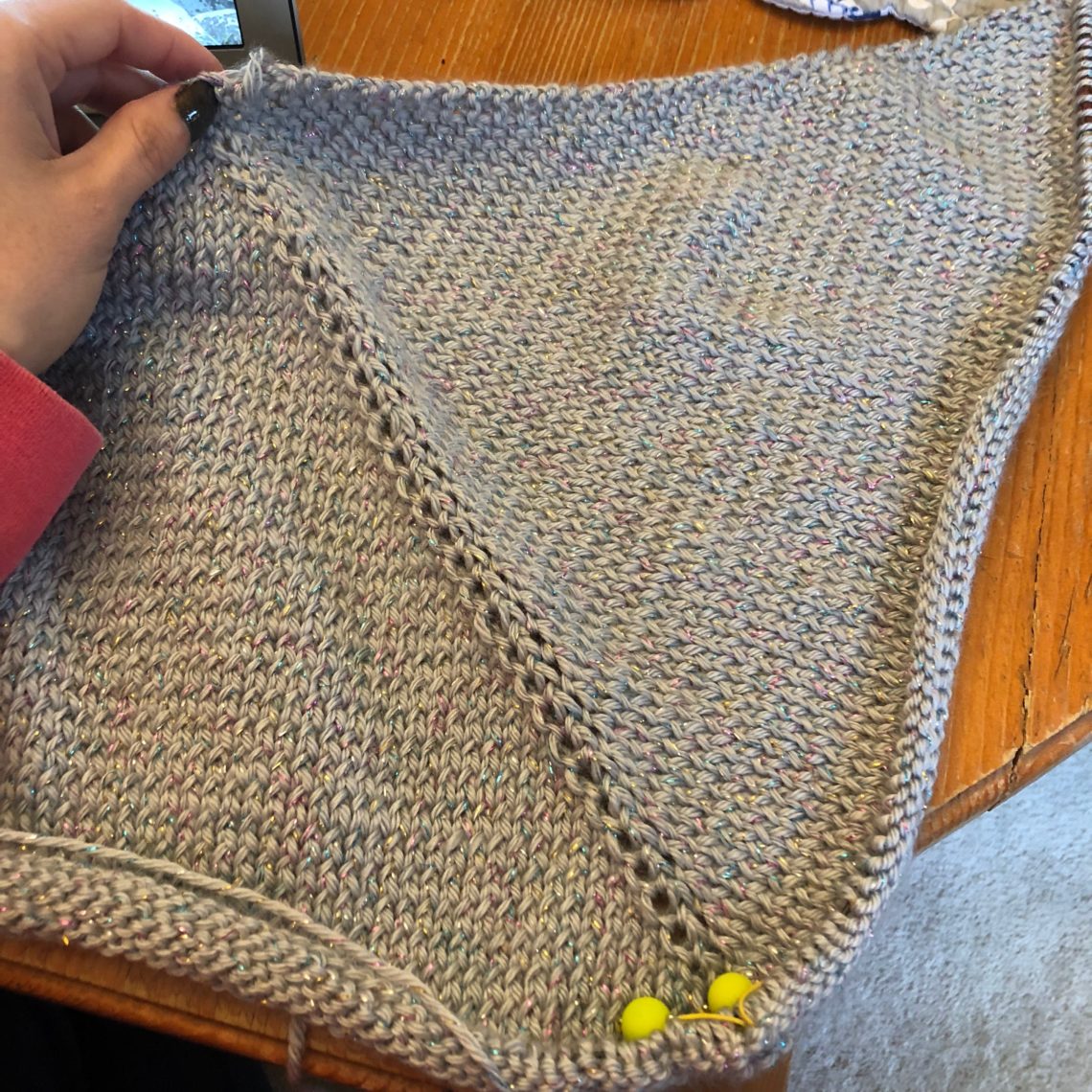
Shawls will use them on either side to achieve a smooth increase, rather than the holes caused by yarn overs. One note here: when you continuously increase in the same place, such as on either side of the center stitch, there will be a slight hole formed.
How To M1R and M1L:
M1R:
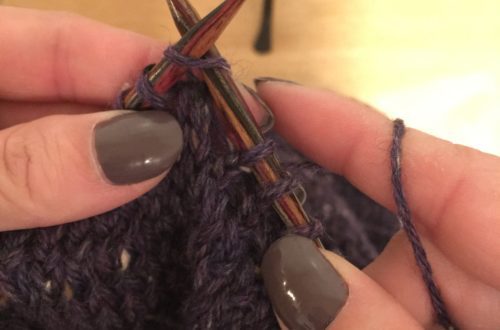
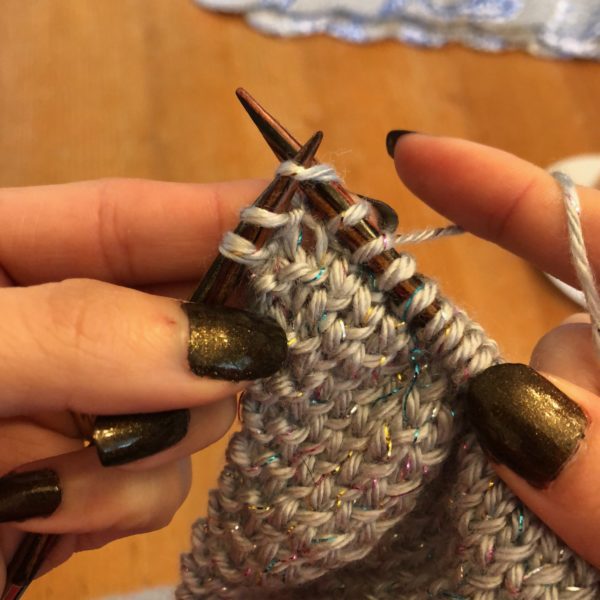
Step 1: Locate the “bar” or horizontal bit of yarn that connects the stitch you just worked, with the next stitch on the left needle.
Step 2: Insert the left needle, from back to front, picking up that bar.
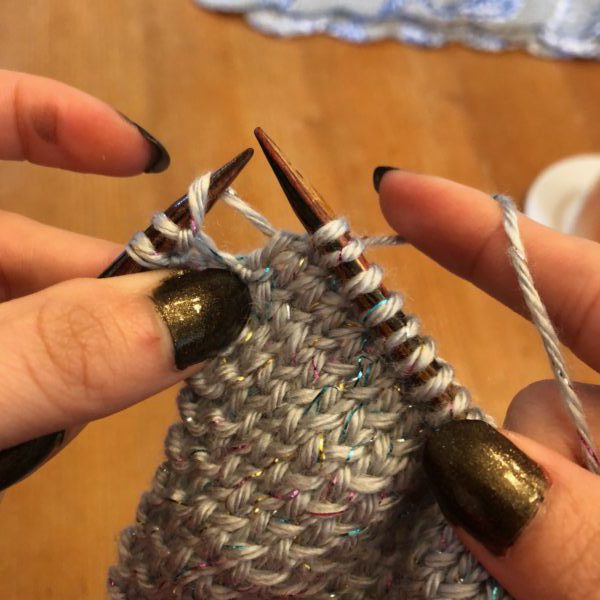
Step 3: Knit the stitch as normal (from left to right, front to back).
M1L:
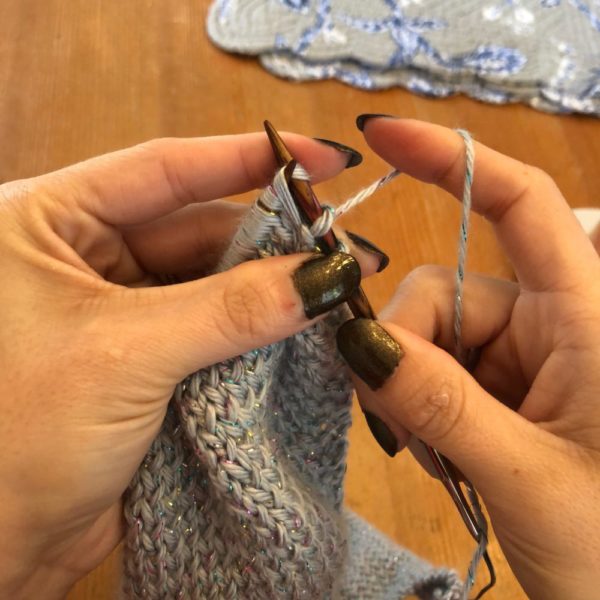
Step 1: Locate the “bar” or horizontal bit of yarn that connects the stitch you just worked, with the next stitch on the left needle.
Step 2: Insert the left needle, from front to back, picking up that bar.
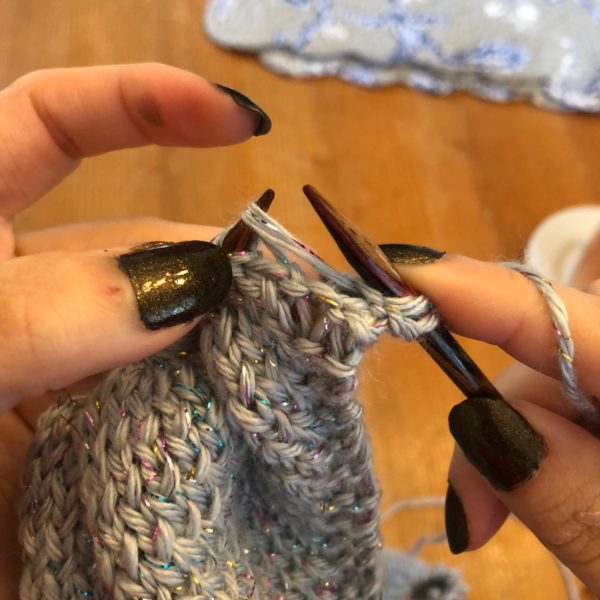
Step 3: Knit the bar, through the back (Inserting your right needle through the stitch behind the left so that you knit the back side of the stitch).
M1R and M1L are almost as easy to work as a yarn over, especially depending on what your knitting. For example, sometimes when working with DPNs, a yarn over at the end of your needle is a bit difficult to work.